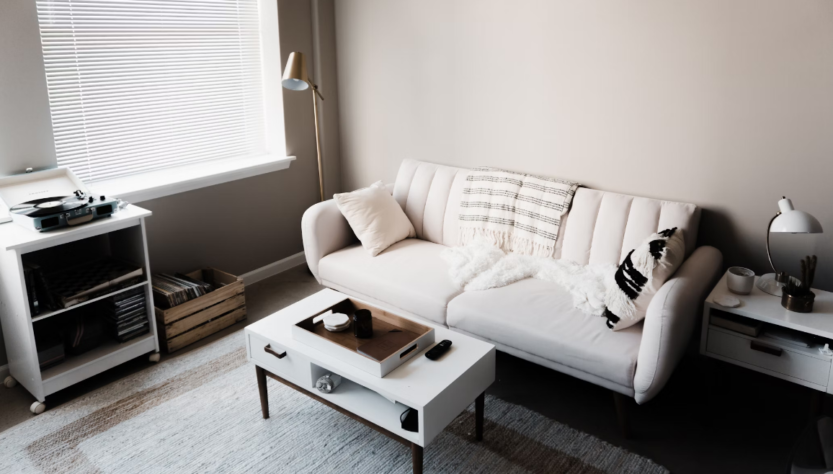
In an era where environmental concerns are at the forefront of global discussions, sustainable home design has emerged as a crucial consideration for builders, architects, and homeowners. Embracing sustainability in home design is not only a response to the pressing need to mitigate climate change and reduce environmental impact but also an opportunity to create healthier, more efficient, and future-proof living spaces. By integrating eco-friendly materials, energy-efficient technologies, and thoughtful design principles, we can build homes that contribute to a greener future.
Eco-Friendly Materials and Building Practices
The foundation of sustainable home design lies in the use of eco-friendly materials and building practices. Selecting materials with a low environmental impact, both in terms of production and end-of-life disposal, is essential for reducing the ecological footprint of a home.
- Sustainable Building Materials
One of the most significant ways to make a home more sustainable is to choose building materials that are renewable, recycled, or have a minimal environmental impact. Bamboo, for instance, is a rapidly renewable resource that can be used for flooring, cabinetry, and even structural elements. Unlike traditional hardwoods, bamboo grows quickly and can be harvested without causing deforestation.
Reclaimed and recycled materials also play a crucial role in sustainable home design. Using reclaimed wood, bricks, or metal not only reduces the demand for new raw materials but also gives a unique, character-filled aesthetic to the home. Additionally, materials like recycled glass countertops and recycled plastic composite decking help divert waste from landfills while providing durable and attractive finishes.
Low-impact materials such as straw bale, rammed earth, and adobe are excellent choices for eco-friendly construction. These materials have excellent thermal properties, which can help regulate indoor temperatures and reduce the need for heating and cooling. Moreover, they are often locally sourced, reducing the carbon footprint associated with transportation.
- Green Building Practices
Beyond material selection, adopting green building practices is vital for sustainable home design. This includes strategies to minimize waste, reduce energy consumption, and enhance the overall efficiency of the construction process.
One approach is to design homes with a modular or prefabricated construction method. These methods can significantly reduce waste by manufacturing components in a controlled environment where materials can be precisely measured and cut. This process also typically results in quicker construction times and less disruption to the surrounding environment.
Implementing passive design principles is another effective way to enhance sustainability. Passive design focuses on optimizing the building’s orientation, insulation, and ventilation to take advantage of natural light and heat. For example, strategically placing windows and using thermal mass materials can help maintain comfortable indoor temperatures without relying heavily on artificial heating or cooling.
Energy Efficiency and Renewable Energy
Maximizing energy efficiency and incorporating renewable energy sources are critical components of sustainable home design. By reducing energy consumption and utilizing clean energy, homes can significantly lower their carbon footprint and operating costs.
- Energy-Efficient Technologies
Integrating energy-efficient technologies into the design and operation of a home can yield substantial environmental and financial benefits. High-performance windows, for instance, provide superior insulation, reducing heat loss in the winter and keeping interiors cooler in the summer. Similarly, advanced insulation materials, such as spray foam or rigid foam boards, create a more airtight building envelope, enhancing overall energy efficiency.
Energy-efficient lighting and appliances are also essential. LED lighting consumes far less energy than traditional incandescent bulbs and has a much longer lifespan. Energy Star-rated appliances, including refrigerators, dishwashers, and washing machines, are designed to use less energy and water while maintaining high performance.
Smart home technologies can further enhance energy efficiency by allowing homeowners to monitor and control their energy use in real-time. Smart thermostats, for example, learn household patterns and adjust heating and cooling systems accordingly, optimizing energy consumption without sacrificing comfort.
- Renewable Energy Integration
Incorporating renewable energy sources is a powerful way to make a home more sustainable. Solar panels are one of the most popular options, converting sunlight into electricity that can be used to power the home. Advances in solar technology have made it more affordable and efficient, making it a viable option for many homeowners.
Other renewable energy systems, such as wind turbines and geothermal heat pumps, can also be integrated into sustainable home design. Wind turbines can generate electricity in areas with consistent wind patterns, while geothermal systems use the earth’s natural heat to provide heating and cooling, significantly reducing reliance on fossil fuels.
In addition to generating renewable energy, homes can be designed to store it efficiently. Battery storage systems allow homeowners to store excess energy produced by renewable sources for use during periods of low production, such as cloudy days or nighttime. This not only ensures a steady supply of clean energy but also enhances the resilience of the home’s power system.
Conclusion
Sustainable home design is a multifaceted approach that requires thoughtful consideration of materials, building practices, energy efficiency, and renewable energy integration. By embracing eco-friendly materials, adopting green building practices, and maximizing energy efficiency, we can create homes that are not only environmentally responsible but also healthier, more comfortable, and cost-effective in the long run. Building for a greener future involves making choices that benefit both the planet and its inhabitants, ensuring that our homes contribute to a sustainable and thriving world for generations to come.